


When I visited Mongolia, there was one object at the Genghis Khan Museum that completely stopped me in my tracks.
It was called a “Gerege.”
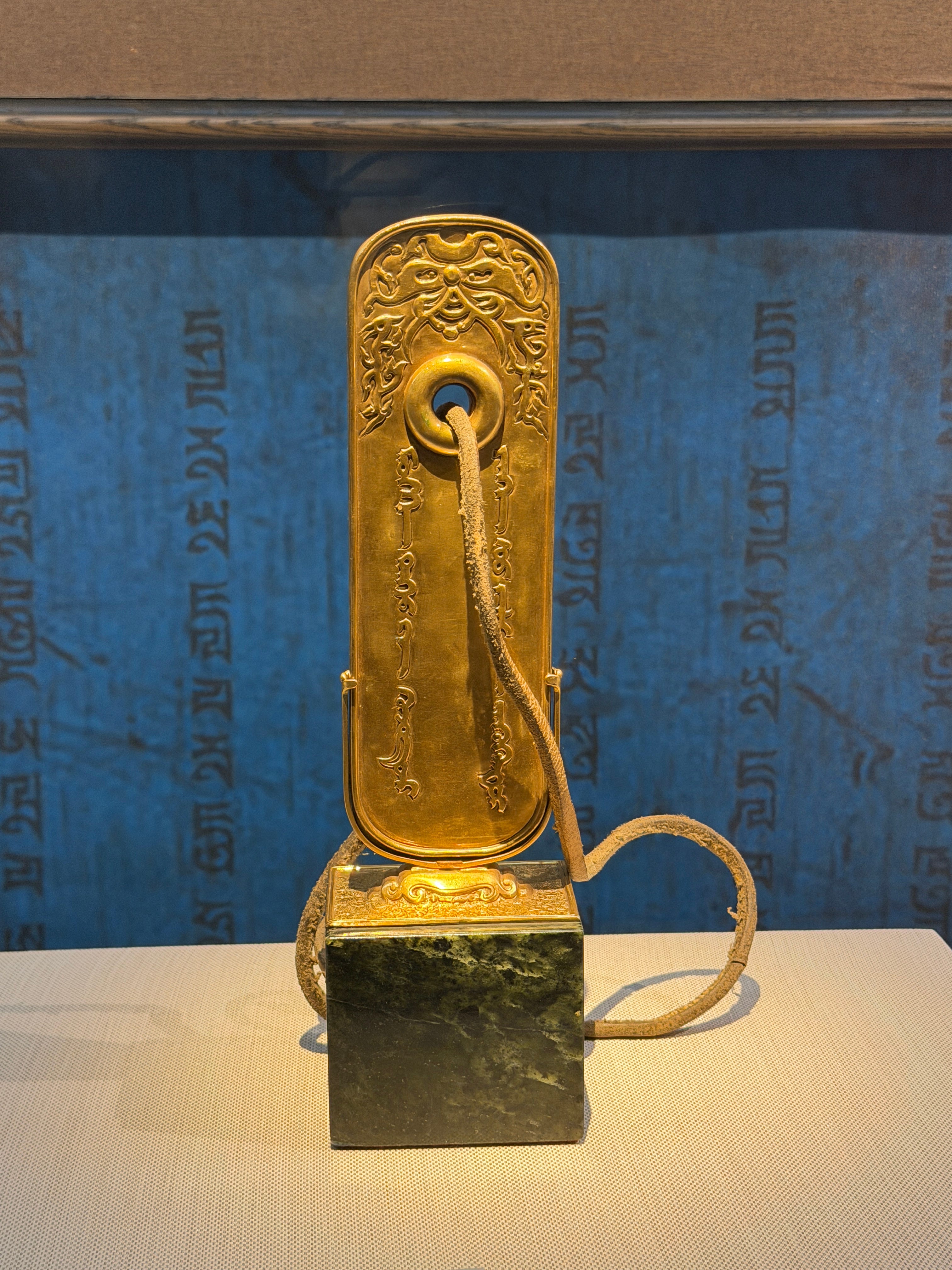
Often referred to as one of the earliest forms of a passport, the Gerege was a metal tablet used during the Mongol Empire.
Today, we take it for granted that we can hold a passport, cross borders, board airplanes, and experience different cultures around the world.
But back in the 13th century, long before the world looked the way it does today, the Mongol Empire had already created a system that allowed people, information, and culture to move across incredible distances.
The Gerege was given by the Khan to messengers, officials, and trusted individuals as proof of their authority.
Those who carried it were able to travel across the vast empire and receive support along the way, including horses, food, and shelter.
But what fascinated me was that it wasn’t just a travel document.
It represented trust.
It was a message that said: “This person has a purpose. Let them pass.”
That idea really moved me.
Because when I look back at my own life, everything has been shaped by movement.
Traveling to unknown cities through music, meeting people I would have never crossed paths with, discovering new cultures, and bringing those experiences back with me.
It made me realize that even 800 years ago, humans had the same desire we have today:
To connect.
Our passports now have photos, numbers, and stamps.
But maybe the true meaning behind them hasn’t changed.
“Who are you?”
“Where do you come from?”
“What are you here to share with the world?”
The Gerege wasn’t just permission to travel.
It was a key that allowed people, stories, and cultures to move beyond borders.
Looking at that small piece of metal, I felt connected to something much bigger.
The timeless human curiosity to explore the unknown.
Also, there is a necklace of the “Gerege” in real gold and it is on my top wishlist!!!
モンゴルを訪れた時、Genghis Khan Museumでひとつの小さな金属の札の前で足が止まった。
名前は「Gerege(ゲレゲ)」。
“世界初のパスポート”とも呼ばれるものだった。
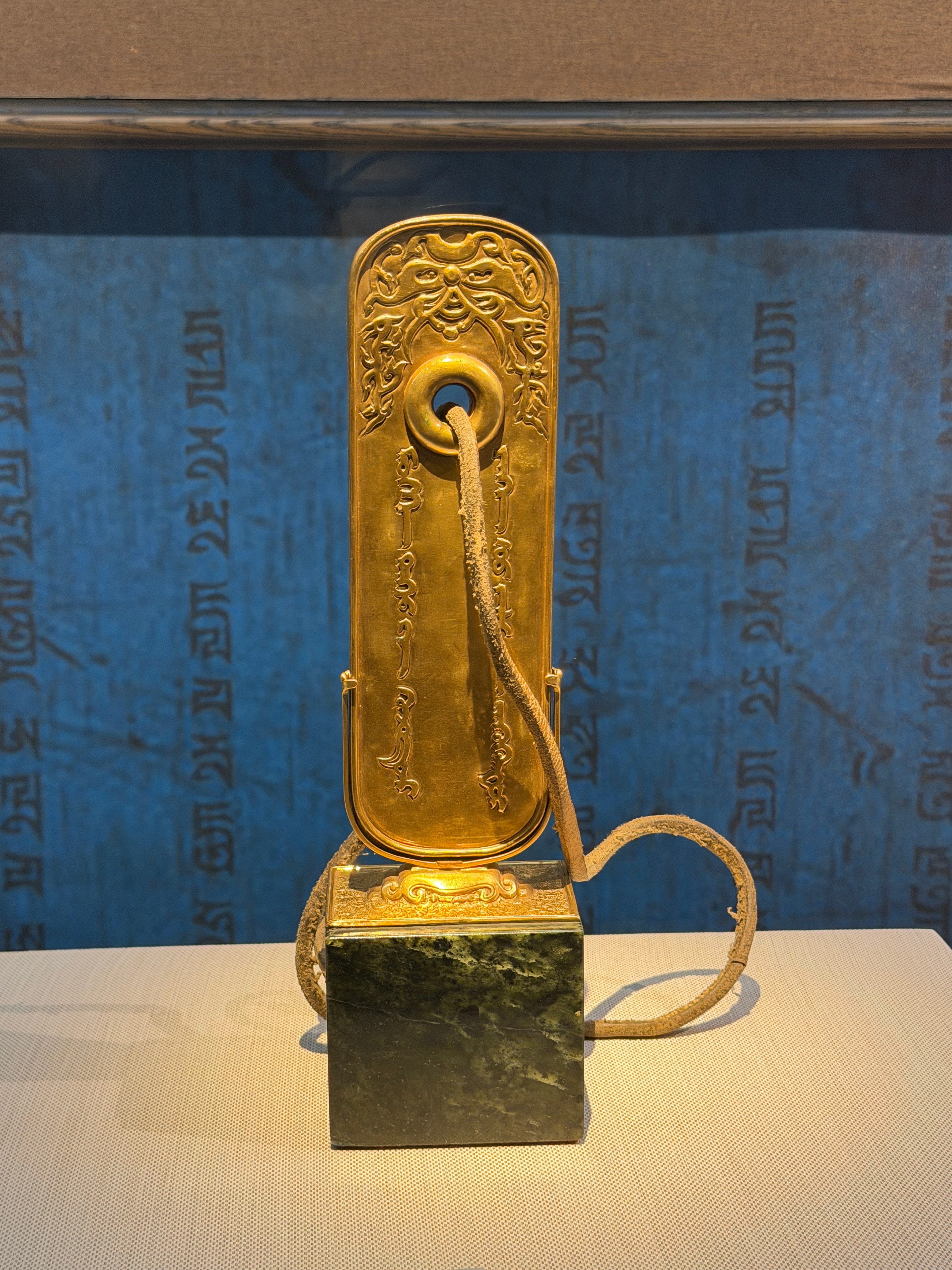
今では当たり前のようにパスポートを持って国境を越え、飛行機に乗り、違う文化に触れることができる。
でも、まだ国という概念も今とはまったく違っていた13世紀、モンゴル帝国にはすでに「人が安全に移動し、情報や文化を運ぶための仕組み」が存在していた。
Geregeは、モンゴル帝国のハーンから使者や役人に与えられた身分証明の札。
これを持つ者は、広大な帝国内を移動する権限を認められ、各地で馬や食料、宿などのサポートを受けることができたと言われている。
ただの通行証ではなく、「この人を信頼し、通しなさい」という証。
その考え方にすごく感動した。
なぜなら、私自身もずっと「移動すること」で人生が作られてきたから!
音楽を通して国を越え、知らない街へ行き、知らない人と出会い、そこからまた新しい文化やアイデアが生まれる。
800年前も、人は同じように世界を繋げようとしていたんだと思うと、不思議な気持ちになった。
今、私たちのパスポートには写真や番号が入っている。
でも本質はきっと変わらないのかと。
「あなたは誰なのか」
「どこから来て、何を届ける人なのか」
Geregeは、ただ移動を許すものではなく、人と人、文化と文化を繋ぐための鍵だったのかもしれない。